The Critical Checklist for Prosperous Home Restoration With Experienced Builders
Home remodeling can be a challenging task, often brimming with unexpected challenges. A well-structured approach is critical for success. By adhering to a systematic checklist, homeowners can handle the complexities of the process. From defining goals to picking the right builders, each step plays a essential role. Understanding these elements will set the foundation for a effortless and gratifying remodeling experience. What are the key steps to assure everything goes according to plan?
Set Your Remodeling Goals
What does a homeowner truly want to achieve through renovation? For many, it revolves around enhancing aesthetics and functionality within their home. Homeowners often aim to design an environment that showcases their personal style while improving comfort and usability. These objectives can differ greatly, from boosting storage space in a kitchen to transforming a basement into a family entertainment area.
Some may stress increasing the home's market value, seeking a financial return through deliberate renovations. Others concentrate on addressing particular problems, such as outdated fixtures or poor spatial design. Establishing distinct renovation objectives is essential, as it directs decisions throughout the process. Homeowners should evaluate their living requirements, the architectural integrity of their home, and long-term aspirations, ensuring that the remodeling project aligns with their vision. By defining these objectives early on, they can establish a solid foundation for a successful remodeling experience.
Set up a realistic budget
Creating a realistic budget is vital for any remodeling undertaking, as it directly impacts the scope and standard of the work. Residents should start by evaluating their economic condition, taking into account funds, revenue, and potential financing options. A detailed budget should include costs for materials, services, permits, and surprise costs, typically reserving an additional 10-20% for contingencies.
Next, property owners should prioritize their renovation objectives, separating must-haves and nice-to-haves, which can help in allocating funds effectively. Researching average costs for similar projects in the area can provide useful information into reasonable pricing.
To sum up, liaison with expert builders is critical; they can submit figures and recommendations that honor the established budget. By conducting the budgeting process thoughtfully, homeowners can pledge their remodeling project preserves financial feasibility while realizing the desired outcomes.
Research and Discover Inspiration
As property owners begin on their remodeling journey, investigating and gathering inspiration is an essential step that can greatly affect the design and functionality of their space. This phase enables them to discover various designs, materials, and layouts that align with their vision. Utilizing platforms such as Pinterest, Instagram, and home improvement websites can offer a wealth of ideas and examples. Homeowners are advised to create mood boards or collect images that reflect their desired aesthetic.
Additionally, exploring local showrooms or open houses can yield tangible insights into how different elements mesh together. Engaging with collectives, whether online or in-person, can also fuel original thoughts and support discussions about cutting-edge approaches. By investing time in research, homeowners can pinpoint their preferences, ensuring that their completed design embodies their personal style and meets their functional demands. This foundational step will substantially elevate the overall remodeling experience.
Create a thorough Timeline
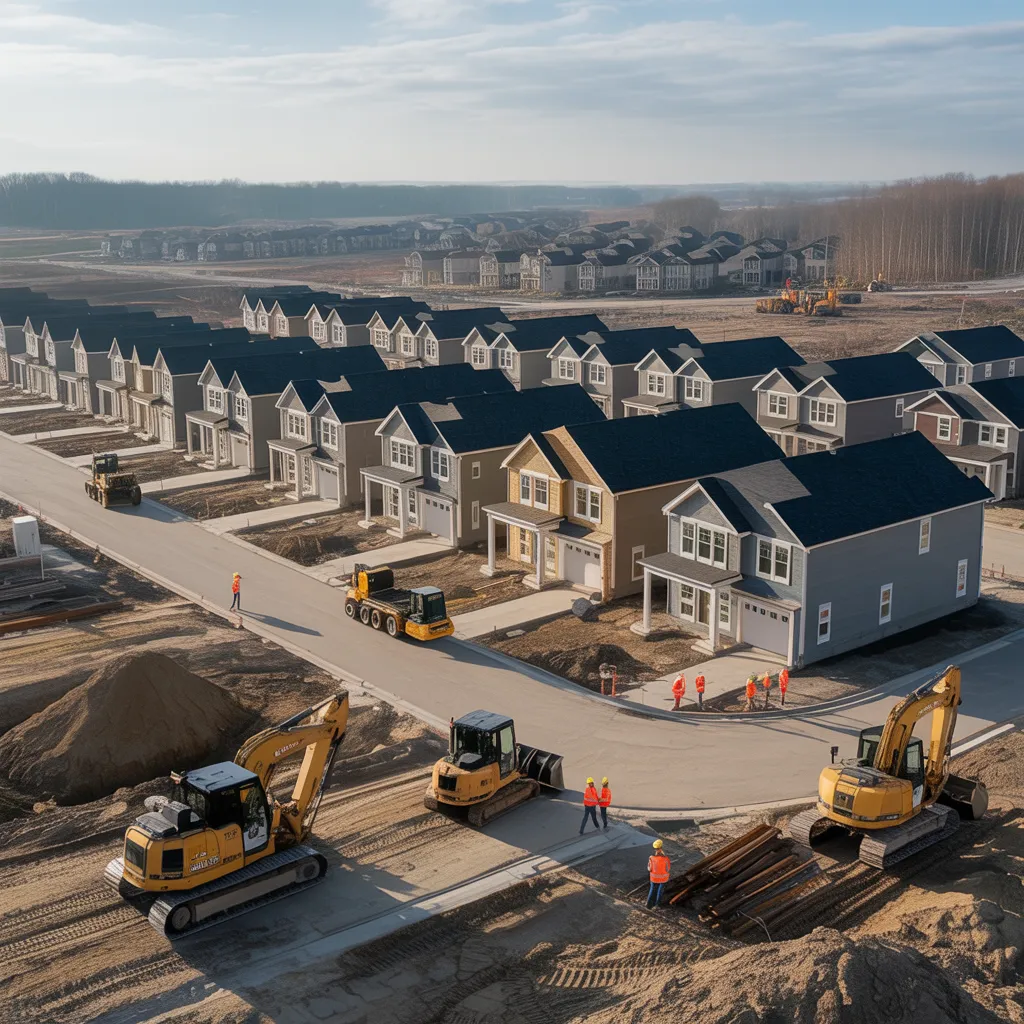
Developing a detailed schedule is essential for property owners to handle their renovation project successfully, making sure that each stage is finished punctually. A structured timeline describes all stages of the remodeling, beginning with preliminary design meetings to the last walkthrough. Property owners must begin by identifying key milestones, including authorizations, design confirmations, and purchasing of materials.
Next, they must set practical deadlines for each task, factoring in potential delays and resource accessibility. Building in buffer periods can help minimize unforeseen issues, such as weather-related setbacks or supply chain disruptions.
Regularly monitoring and adjusting the schedule throughout the project will hold all parties knowledgeable and liable. Effective communication with participating parties is essential, as it cultivates joint effort and minimizes misunderstandings. By maintaining a thorough timeline, homeowners can navigate their renovation undertaking with heightened certainty and clarity, ultimately obtaining their target outcomes.
Find the Suitable Competent Builders
Picking the proper qualified builders is an vital part of renovation that significantly influences the results and timeliness of your work. To initiate, homeowners should identify builders who have a excellent name and long background with the specific type of remodeling they plan. Examining internet testimonials, asking for referrals, and reviewing qualifications will offer important information about a builder's trustworthiness and skill.
Additionally, it is important to hold conversations with potential builders to gauge their communication skills, strategy to project management, and willingness to collaborate. Homeowners should request thorough estimates that outline components, labor, and deadlines to guarantee clarity and avoid unexpected charges. Finally, validating coverage and certifications is essential, as it safeguards the homeowner from conceivable financial responsibilities. By prudently appointing skilled contractors, homeowners can lay the base for a successful remodeling experience that meets their expectations and enhances their residence.
Secure Required Permits
When beginning any renovation work, acquiring required permits is vital to verify compliance with local building codes and requirements. This step guarantees that the work follows to safety standards and zoning laws, ultimately protecting the property owner from likely penalties or legal complications. The kinds of permits required can differ substantially based on the breadth of the project; common permits include structural, electrical, water systems, and mechanical permits.
Property owners should commence by consulting their city building department to understand precise guidelines and protocols. It is prudent to gather all necessary documentation, such as construction specifications and professional credentials, to facilitate the permitting process.
Retaining professional builders can also facilitate this step, as they are often well-versed in local regulations and can facilitate securing the necessary permits. By stressing this critical aspect of remodeling, homeowners can sidestep delays and validate the project's successful completion within the legal framework.
Communicate Your Vision Clearly
How can homeowners guarantee their remodeling project meets their expectations? The secret lies in clear communication of their vision to the licensed builders. Owners must share their ideas, preferences, and must-haves explicitly. This includes covering design elements, materials, color schemes, and overall functionality. Making use of visual aids like photos, sketches, or mood boards can significantly boost understanding between homeowners and builders.
Furthermore, it is necessary for homeowners to set priorities. By detailing what is most important to them, builders can concentrate on these elements during the renovation process. Regular check-ins and communications throughout the project ensure that any potential misunderstandings are addressed promptly. Open dialogue encourages collaboration and fosters a productive relationship, ultimately leading to a successful outcome. By being proactive in dialogue, homeowners can help guarantee that the final result reflects their vision and meets their expectations.
Get Your Home prepared for Construction
As the renovation undertaking approaches, homeowners must adopt preventative actions to ready their home for building work. Such preparation expedites the workflow in addition to reducing interruptions. Primarily, it is vital to declutter the work areas, eliminating personal items, furniture, and décor that could hinder progress or be damaged. Property owners should also allocate a particular space for workers to keep equipment and supplies, creating a safe and organized environment.
Informing neighbors about the planned project is critical, as construction can be noisy and disruptive. Additionally, keeping pets in a separate area away from the work zone can reduce stress and accidents. Homeowners should also think about turning off utilities in specific areas if required for safety. Finally, maintaining clear access points for construction crews will facilitate a better process and contribute to an streamlined remodeling experience. Adequate planning lays the groundwork for a accomplished project.

To assure a successful renovation initiative, homeowners must carefully track progress through regular site visits. Fostering effective communication channels with contractors is essential for addressing issues and facilitating prompt communication. Remaining involved helps preserve alignment with objectives and timelines.
Routine Site Checks
Periodic property visits are essential for property owners to effectively monitor the progress of their remodeling undertakings. Through regular site attendance, homeowners can assess the degree of excellence of craftsmanship and ensure that the endeavor aligns with their aspirations. Such visits provide an opening to reveal any setbacks early, allowing for timely resolutions before they worsen. Property owners can likewise confirm that goods are being used as outlined in the specifications, shielding their financial commitment. Also, observing the ongoing daily improvements can foster a deeper understanding of the renovation workflow, helping property owners make informed decisions. By extension, consistent site inspections not only reinforce construction management but also foster homeowner participation in the alteration of their home environments.
Establish Open Messaging Routes
Establishing transparent communication pathways is crucial for homeowners seeking to actively monitor the advancement of their remodeling projects. Effective communication creates a collaborative environment between homeowners and builders, allowing for timely updates and feedback. Homeowners should schedule regular check-ins, either in-person or through digital platforms, to go over project milestones and tackle any concerns. Utilizing tools such as project management apps can enhance transparency, enabling all parties to track progress in real-time. Additionally, maintaining an open dialogue promotes builders to share insights on timelines and potential challenges. By emphasizing communication, homeowners can assure that their vision is realized while staying informed and involved throughout the remodeling process. This proactive approach in the end leads to a efficient and more successful project outcome.
Complete a Last Walkthrough and Analysis
A last inspection is crucial to guarantee that all aspects of the renovation work satisfy expectations. Key areas should be examined carefully to identify any outstanding issues that may need addressing. Prompt resolution of these issues can help to achieve a satisfactory completion of the project.
Systematically scrutinize key areas
Thoroughly examining important spaces during the completion inspection is crucial for ensuring that every detail of the remodeling project meets expectations. Homeowners should prioritize vital areas such as kitchens, bathrooms, and living areas, evaluating finishes, fixtures, and installations. Attention should be paid to the standard of craftsmanship, ensuring that all elements align with the agreed-upon plans. Verifying proper functionality of appliances, plumbing, and electrical systems is vital to confirm that everything functions as intended. Additionally, reviewing paint quality, flooring installation, and trim details can uncover any required adjustments. Engaging in this meticulous inspection promotes clear communication with builders and ensures that the completed project fulfills the homeowner's vision and standards before finalizing the remodel.
Address Outstanding Issues Quickly
Conducting a last inspection is essential for addressing outstanding issues that may have arisen during the remodeling process. This step allows homeowners to assess the work completed and identify any differences matching information from the original plans. During the walkthrough, it is important to take notes on areas that require attention, such as incomplete aspects, paint touch-ups, or installation errors. Homeowners should communicate these concerns directly to the builders, ensuring clarity and shared knowledge. Promptly addressing these issues can prevent further complications and additional costs down the line. A thorough review not only guarantees satisfaction with the completed project but also fosters a positive relationship between the homeowner and the builders, paving the way for future collaborations.
Frequently Asked Questions
What Steps Should I Take to Manage Unexpected Expenses In the Course of Remodeling?
To manage unforeseen costs during renovation, one should maintain a contingency budget, prioritize critical fixes, communicate openly with builders, and explore adaptable design choices to address unexpected expenses without sacrificing the complete renovation.
What should I Do if I'm Dissatisfied With the Work?
When dissatisfaction develops, the person needs to relay concrete concerns to the builders, requesting guidance and solutions. Maintaining issue documentation and reviewing the contract can aid in resolving conflicts and confirming successful completion of the project.
How Do I Ensure My Home Remains Operational Throughout Remodeling?
To sustain a home's functionality during renovation, one can establish separate living spaces, establish a clear schedule with builders, maintain consistent communication, and guarantee vital utilities like water and electricity continue without interruption throughout the remodeling process.
What Assurances or Guarantees Should I Require From Builders?
Property owners should anticipate builders to deliver warranties covering workmanship, materials, and structural integrity. Common warranties extend from one to ten years, depending on the scope of work, providing safeguards against defects and necessary repairs.
What's the Best Way to Pick Materials That Fit My Design Preference and Spending Limit?
To determine selections that align with individual preferences and spending limit, one should investigate choices, assess pricing, consider durability, and seek expert advice. Samples can help imagine appearance, guaranteeing informed decisions that weigh beauty and budget limitations.